Table of contents
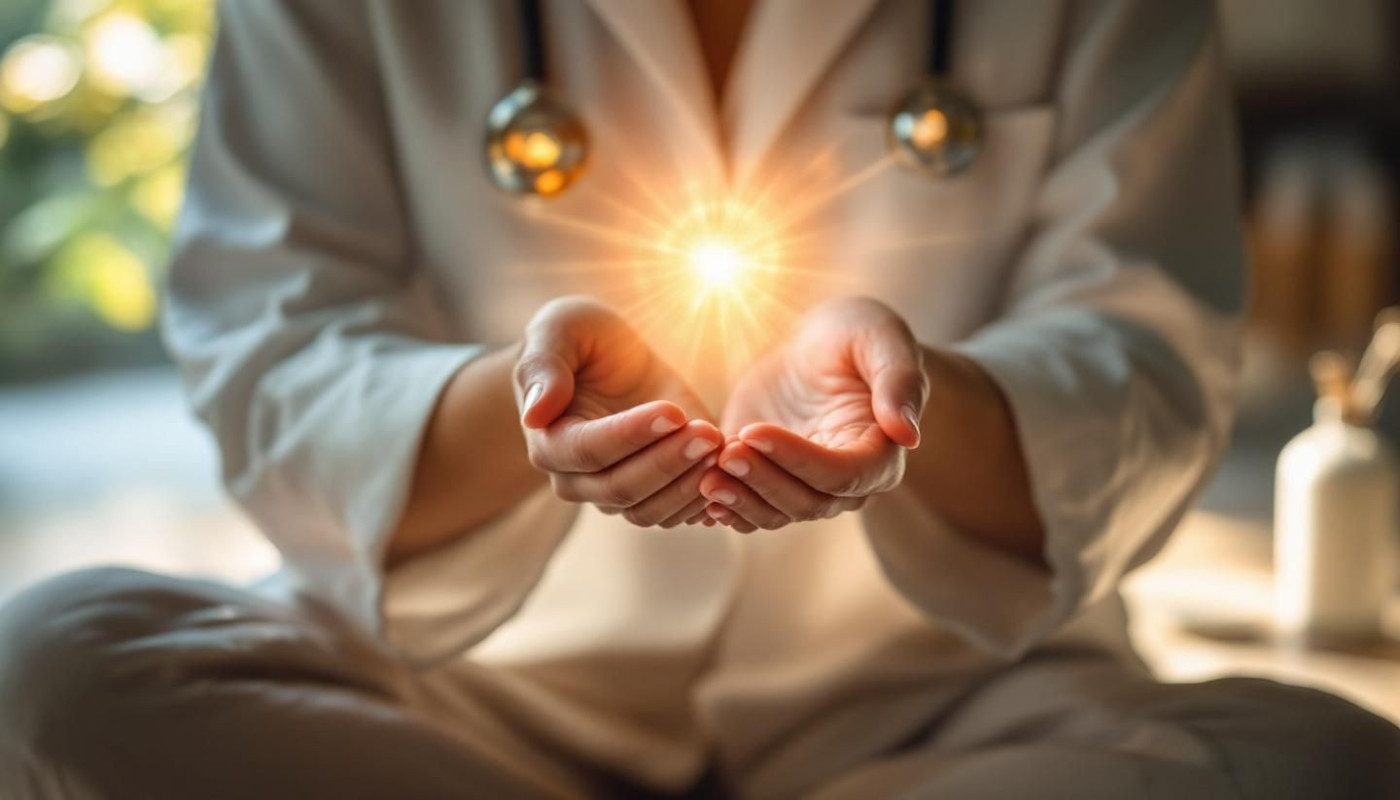
Imagine a world where healthcare practitioners go beyond conventional diagnostics, tapping into the subtle energies and intuitive insights that the human body emits. Medical intuitives are gaining attention for their unique ability to assess wellness on an energetic level, providing a complementary perspective to traditional medicine. This intriguing approach is sparking curiosity and reshaping how patient care is delivered, making it worth delving deeper into the transformative influence they are having on the healthcare landscape.
Understanding the role of medical intuitives in holistic care
Medical intuitives serve a specialized role within holistic and integrative healthcare by focusing on the subtle layers of a person’s health that often elude conventional diagnostics. These practitioners employ intuitive assessment techniques, such as sensing energetic imbalances within the body’s biofield or analyzing patterns in a client’s energetic anatomy. Through methods like somatic sensing and interpreting subtle cues in the body’s energy systems, they can detect disturbances or blockages that may not appear on laboratory tests or imaging scans. This approach offers a unique vantage point, where the practitioner draws on a combination of heightened perception and energy medicine concepts—terms such as meridians, chakras, and auric fields are frequently used to describe findings that supplement, rather than replace, conventional biomedical information.
Unlike standard diagnostic tools that rely on quantifiable data and observable symptoms, medical intuition emphasizes the practitioner’s ability to access nonphysical information, often described as insights into the root causes or underlying patterns of a condition. This distinction has attracted attention from functional medicine teams seeking to understand and address complex, chronic issues that persist despite extensive testing and treatment. Examples include cases where patients present with multifaceted symptoms or unexplainable fatigue, and traditional approaches have provided limited answers. By integrating intuitive findings with evidence-based care, practitioners can help develop personalized strategies, fostering a more comprehensive understanding of patient well-being and promoting better outcomes for those whose challenges defy easy categorization.
Bridging gaps between conventional and integrative medicine
Collaboration between medical intuitives and health professionals such as physicians, naturopaths, and therapists is shaping an emergent model of patient care that addresses the physical, mental, and energetic dimensions of health. When medical intuitives are included in interdisciplinary teams, their ability to detect subtle energetic imbalances can enrich clinical assessments, supporting the creation of personalized treatment strategies that consider not only laboratory results but also emotional patterns and lifestyle influences. These practitioners often contribute early identification of non-physical disturbances—sometimes precursors to disease—through an understanding of energy field coherence, allowing for interventions that address root causes rather than just symptoms. The synergy between validated medical approaches and intuitive modalities is further illustrated by the rising interest in vibrational healing and psychoneuroimmunology, which explore the links between consciousness, immune function, and cellular health.
Engaging the insights of medical intuitives can also enhance communication across the traditionally segregated realms of mind, body, and spirit, enabling a more fluid exchange of information and fostering a sense of agency in the healing process. By integrating intuitive findings with evidence-based medicine, practitioners can tailor care plans that resonate with the unique patterns of each individual, often facilitating profound shifts in well-being. This holistic partnership encourages patients to participate more actively in their care, deepen self-understanding, and access complementary resources such as energy therapies. For those seeking a reputable practitioner—whether searching for a medical intuitive near me, a medical intuitive in Spokane, or an intuitive in Washington DC—a comprehensive directory at https://www.medical-intuitive.org offers guidance to qualified professionals adept at this integrative approach.
Empowering patients through intuitive guidance
Medical intuitives are transforming patient care by emphasizing a deeper partnership between practitioner and individual. By focusing on intuitive guidance, these professionals help people become active participants in their own healing journey. Through education about energetic health, patients gain awareness of their body's subtle cues and connections to emotional and psychological states. For example, a medical intuitive may guide someone to notice physical sensations tied to unexpressed emotions, encouraging reflection and informed self-advocacy in health decisions.
During consultations, intuition-based insights often reveal psychosomatic patterns—such as recurring pain linked to unresolved grief or digestive issues related to chronic stress. Recognizing these patterns empowers clients to address root causes rather than merely suppress symptoms. Medical intuitives might use conversation, body language observation, or even visualization practices to help a person trace the origins of discomfort back to life events or longstanding beliefs, broadening the understanding of health beyond the conventional biomedical model.
Techniques like guided imagery, energy mapping, and chakra assessment serve as practical tools in this intuitive approach. Guided imagery, for instance, can help individuals relax the nervous system and mentally process stressful experiences, supporting overall wellbeing. Energy mapping may uncover areas where emotional or physical energy feels blocked, providing new perspectives on pain or fatigue. Chakra assessments offer a framework to explore personal imbalances, prompting clients to consider changes in behavior or environment that might restore harmony.
These intuitive methods fit well within the broader context of lifestyle medicine and patient-centered care, where the focus is on treating the whole person rather than isolated symptoms. By integrating intuitive techniques with evidence-based strategies—such as nutrition, movement, and mindfulness—patients receive comprehensive support tailored to their unique needs. This collaborative process not only fosters self-awareness but also encourages sustainable changes, enabling individuals to more confidently navigate their own health challenges.
Addressing skepticism and ethical practices in the field
Medical intuitives encounter persistent skepticism from both the medical community and the public, primarily due to the lack of standardized scientific validation and replicable methods. Critics often question the legitimacy of intuitive assessments, since they do not fit traditional diagnostic frameworks and rely on subjective insights. To bridge this credibility gap, some practitioners collaborate with researchers in fields like consciousness studies and subtle energy detection, where pilot studies and documented case reports are exploring the role of intuition in health outcomes. Such efforts help provide a bridge between empirical research and experiential data, aiming to establish a framework where intuitive practices can be evaluated systematically.
Ethical conduct is a foundational concern as intuitive assessments become more visible in integrative health settings. Transparency is vital—practitioners need to clearly communicate the nature and intended use of their insights, outlining the scope and limitations of their approach. Strict professional boundaries are necessary to prevent overreach or the substitution of intuition for evidence-based care, while informed consent ensures that patients understand the complementary nature of these services. Some organizations now issue voluntary codes of ethics, emphasizing ongoing education, confidentiality, and collaboration with conventional medical providers. These measures help foster trust and safety, addressing both practitioner and patient concerns as medical intuition evolves alongside established healthcare practices.
The evolving future of intuitive healthcare
As medical intuitives gain acknowledgment within forward-thinking health systems, their methodologies are poised to weave more seamlessly into mainstream patient care. Hospitals and clinics may soon harness advanced bioenergetic assessment tools that complement intuitive practitioners’ insights, providing real-time energetic readings alongside traditional diagnostics. Telehealth platforms are likely to expand capabilities for remote intuitive scanning, allowing patients in underserved or remote areas to access personalized energetic evaluations without geographical barriers. These technologies, combined with the nuanced perception of trained intuitives, could help pinpoint subtle imbalances before they manifest as physical symptoms, supporting preventative and proactive care strategies.
The broader adoption of intuitive practices will likely influence both medical education and ongoing practitioner development. Future curricula may incorporate modules on subtle body awareness, patient-centered communication, and interdisciplinary teamwork, encouraging healthcare professionals to collaborate with intuitives as part of integrated teams. This collaborative model can enrich the patient experience by validating both clinical observations and subtle energetic signals, fostering trust and engagement. By blending analytical skills with intuitive and technological insights, health systems can nurture a more holistic approach to wellness that empowers patients to play an active role in their health journeys and supports practitioners in delivering care that is at once evidence-based and deeply personalized.
Similar
Case Studies: Remarkable Recoveries Assisted By Medical Intuitives

Can Medical Intuitives Offer Real Benefits To Chronic Illness Patients?

The Rise Of Medical Intuitives In Holistic Health Approaches

Understanding How Medical Intuitives Complement Traditional Medicine
Exploring The Role Of Medical Intuitives In Modern Healthcare

Assessing The Social Implications Of Online Gambling In Spanish Society
