Table of contents
Delve into the intriguing world of medical intuitives and their evolving role within modern healthcare. While conventional medicine relies heavily on diagnostics and evidence-based practices, some practitioners believe that intuitive insights can complement existing approaches. Uncover the methods, challenges, and potential impact of medical intuitives on both patients and professionals by exploring the details ahead.
Understanding the practice of medical intuition
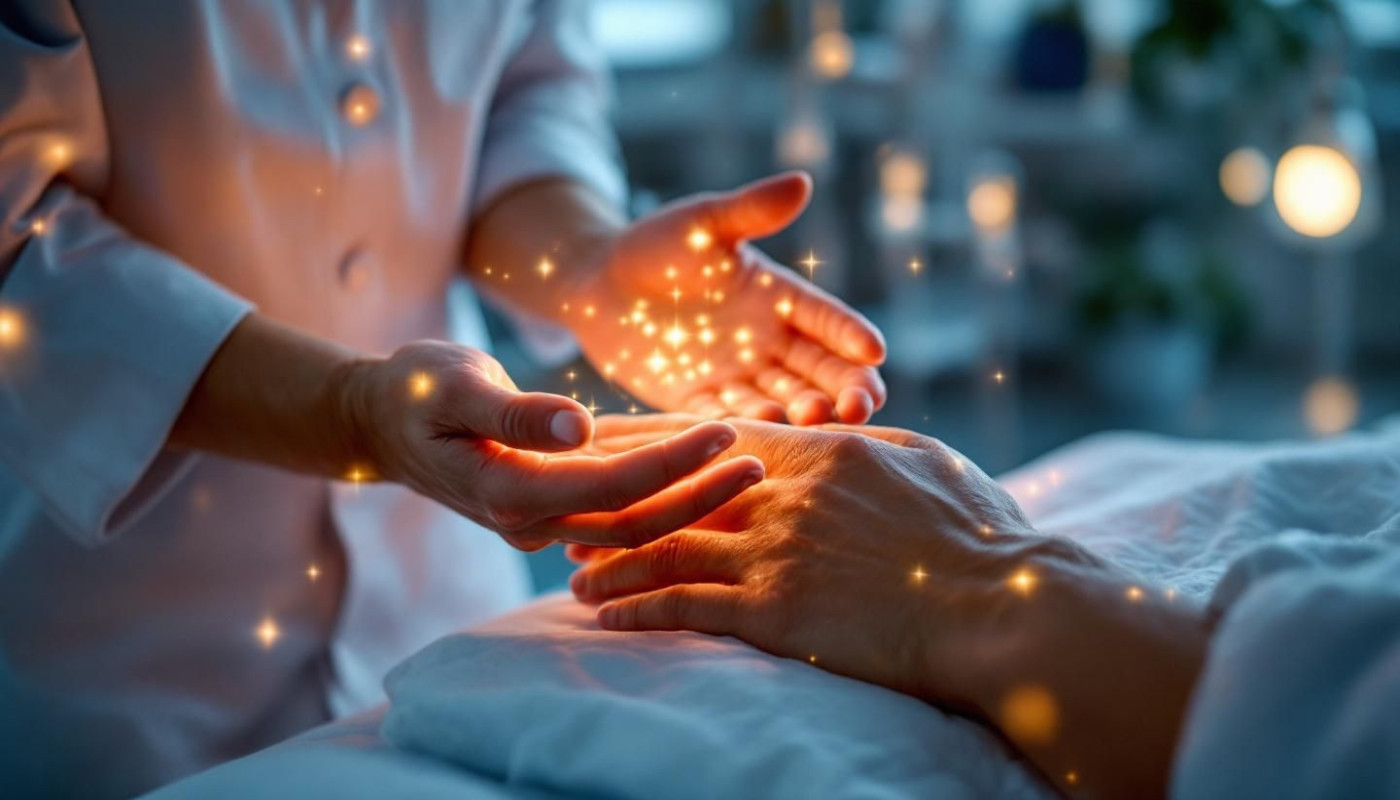
Medical intuition is a field within complementary healthcare where practitioners, known as medical intuitives, claim to assess the health of a person by accessing information beyond conventional physical examination. These individuals employ techniques such as energetic scanning, body scanning, and intuitive assessment to evaluate a client's biofield—the electromagnetic field surrounding and permeating the body—rather than relying on traditional methods like laboratory tests or medical imaging. The process often involves tuning into subtle energy patterns, with practitioners describing their work as reading disruptions or imbalances that may correspond to physical symptoms, emotional states, or underlying causes of illness. Unlike conventional diagnostics, which depend on empirical, measurable data, medical intuition focuses on the holistic evaluation of a person's energy systems and mind-body interactions.
The theoretical foundations supporting the practice of medical intuition draw from concepts like energy medicine, which posits that subtle energy fields play a pivotal role in health and disease. Practitioners frequently reference the mind-body connection, proposing that emotional or psychological stress can manifest as disturbances within the biofield, potentially leading to physical symptoms. Distinct from mainstream healthcare, which emphasizes standardized protocols and reproducible evidence, medical intuitives utilize subjective perception, often integrating insights from holistic traditions and alternative therapies. This distinction highlights the divergence between intuitive modalities and conventional medical approaches, with the former emphasizing personalized, non-invasive assessment and the latter prioritizing objective measurement and clinical validation.
Historical context and evolution in healthcare
Medical intuition traces its lineage to the wisdom of ancient healing traditions, where intuitive insights often guided early practitioners in diagnosing and treating illness. Healers in cultures such as traditional Chinese medicine and Ayurveda relied on a holistic perspective, blending observation with a finely tuned sense of intuition, well before the rise of evidence-based allopathic medicine. As healthcare systems evolved, especially with the professionalization of Western medicine, the role of intuitive practitioners shifted from central figures in community health to more marginal roles, often grouped under complementary and alternative medicine (CAM). Despite this marginalization, medical intuitives continued to adapt, integrating modern anatomical and physiological knowledge to enhance their practice and align with the shifting expectations of patient care.
In more recent decades, the movement toward integrative healthcare and patient-centered care has fostered renewed interest in the unique contributions of medical intuitives, particularly as collaborative partners in wellness programs and interdisciplinary teams. Key moments in this journey include the recognition of CAM modalities by leading medical institutions and the proliferation of research exploring the impact of mind-body approaches on health outcomes. Medical intuitives now often work alongside physicians, psychologists, and other health professionals, bringing nuanced perspectives that complement conventional diagnostics. Anyone seeking access to such practitioners, whether searching for a medical intuitive near me, medical intuitive in Spokane, or an intuitive in Washington DC, can benefit from reputable platforms like https://www.medical-intuitive.org, which connects individuals to trusted experts in the field.
Potential benefits for patients and practitioners
Medical intuitives can offer unique advantages for individuals navigating persistent or complex health challenges by providing perspectives that complement standard clinical assessments. When traditional diagnostics leave uncertainty, intuitive insights may help uncover underlying patterns or emotional factors influencing well-being. This approach often encourages a broader understanding of conditions, facilitating individualized treatment plans that consider physical, mental, and energetic dimensions. Practitioners who collaborate with medical intuitives may gain additional context, potentially identifying subtle connections between symptoms and lifestyle, mindset, or past experiences.
For patients, engaging with a medical intuitive can encourage greater somatic awareness—the ability to tune into bodily sensations and recognize subtle changes. This practice empowers individuals to actively participate in their healing journey, fostering a sense of agency and self-advocacy. Through intuitive consultation, patients may discover new strategies for wellness optimization, such as mindfulness, movement therapies, or dietary shifts aligned with their unique needs. Such collaboration often leads to more personalized care, where the patient's story, intuition, and preferences shape the therapeutic process alongside evidence-based medicine.
Healthcare professionals may also benefit by integrating intuitive perspectives into multidisciplinary teams, especially in cases resistant to conventional interventions. By exploring the emotional, energetic, and psychosocial aspects of health, practitioners expand their toolkit for supporting long-term wellness. The intersection of medical intuition with current healthcare practices can nurture a more holistic approach, reducing fragmentation and encouraging open dialogue about the interconnectedness of body and mind. Ultimately, this synergy may support improved outcomes, deeper patient engagement, and a renewed focus on individualized, whole-person care.
Limitations and controversies surrounding medical intuition
Medical intuition is frequently met with skepticism from the wider healthcare community, largely due to its foundation in subjective perception rather than standardized diagnostic methods. Critics emphasize that medical intuition lacks the rigorous empirical evidence required by evidence-based medicine. Most claims made by practitioners have not been substantiated by peer-reviewed studies or controlled clinical trials, making it difficult for medical intuition to gain the same level of trust as established medical disciplines. The subjective nature of intuitive insights also means that reproducibility—a cornerstone of scientific validation—remains elusive.
Regulatory and ethical issues further complicate the role of medical intuitives in healthcare. One primary concern involves defining the appropriate scope of practice, ensuring that intuitive assessments do not replace or delay proven diagnostic procedures. Questions about informed consent arise, particularly when patients may not fully understand the distinction between evidence-based recommendations and intuitive suggestions. Patient safety is paramount, and there is ongoing debate about the risk of harm if individuals rely solely on intuitive advice without consulting qualified healthcare professionals. These ethical dilemmas underscore the need for clear guidelines and ongoing oversight.
These limitations significantly influence how medical intuitives are perceived and whether they can be integrated into mainstream healthcare settings. The absence of clinical validation restricts collaboration with physicians and other licensed practitioners, reinforcing the divide between conventional medicine and intuitive practices. Healthcare institutions and regulatory bodies face challenges in determining how, or if, medical intuition should be incorporated into patient care protocols. As evidence-based medicine continues to dominate healthcare decision-making, the debate over the legitimacy and utility of medical intuition remains active, prompting ongoing discussion about the balance between innovation and patient protection.
Integrating medical intuitives into contemporary healthcare teams
Medical intuitives are finding a niche within interdisciplinary care settings by contributing unique perspectives that complement evidence-based practices. In some integrative medicine clinics, medical intuitives participate in case conferences alongside physicians, nurses, and allied health professionals, such as nutritionists and physical therapists. Their insights, while not intended to replace diagnostic procedures, are used to inform care coordination efforts, particularly for patients with complex or chronic conditions unresponsive to conventional approaches. Certain institutions have developed care pathways that include optional consultations with medical intuitives, always positioned as adjunctive to standard medical care, ensuring that patient autonomy and informed consent remain central to the process.
Collaborative models emphasize clear communication and ethical boundaries through established protocols and guidelines. For example, best practices require medical intuitives to document findings in a manner accessible to the broader team, while explicitly noting the non-diagnostic nature of their input. Transparent patient education materials are provided, clarifying the scope of medical intuitive services and encouraging open dialogue about expectations and experiences. In clinics where integrative medicine protocols are in place, practitioners undergo regular interdisciplinary training sessions that underscore mutual respect and cultural competency, fostering an environment where diverse healing philosophies can contribute meaningfully to patient-centered care. These practices collectively support the safe and respectful inclusion of medical intuitives within modern healthcare landscapes.
Similar

Case Studies: Remarkable Recoveries Assisted By Medical Intuitives

Can Medical Intuitives Offer Real Benefits To Chronic Illness Patients?

The Rise Of Medical Intuitives In Holistic Health Approaches

Understanding How Medical Intuitives Complement Traditional Medicine
How Medical Intuitives Are Reshaping Patient Care Practices?

Assessing The Social Implications Of Online Gambling In Spanish Society
