Table of contents
In today's interconnected global economy, ensuring clarity and trust between businesses is more essential than ever. The concept of a Legal Entity Identifier (LEI) has emerged as a game-changer, enhancing transparency and strengthening business relationships across borders. Discover how this unique identifier can transform corporate transparency and why understanding its impact is crucial for any forward-thinking organization.
Understanding the legal entity identifier
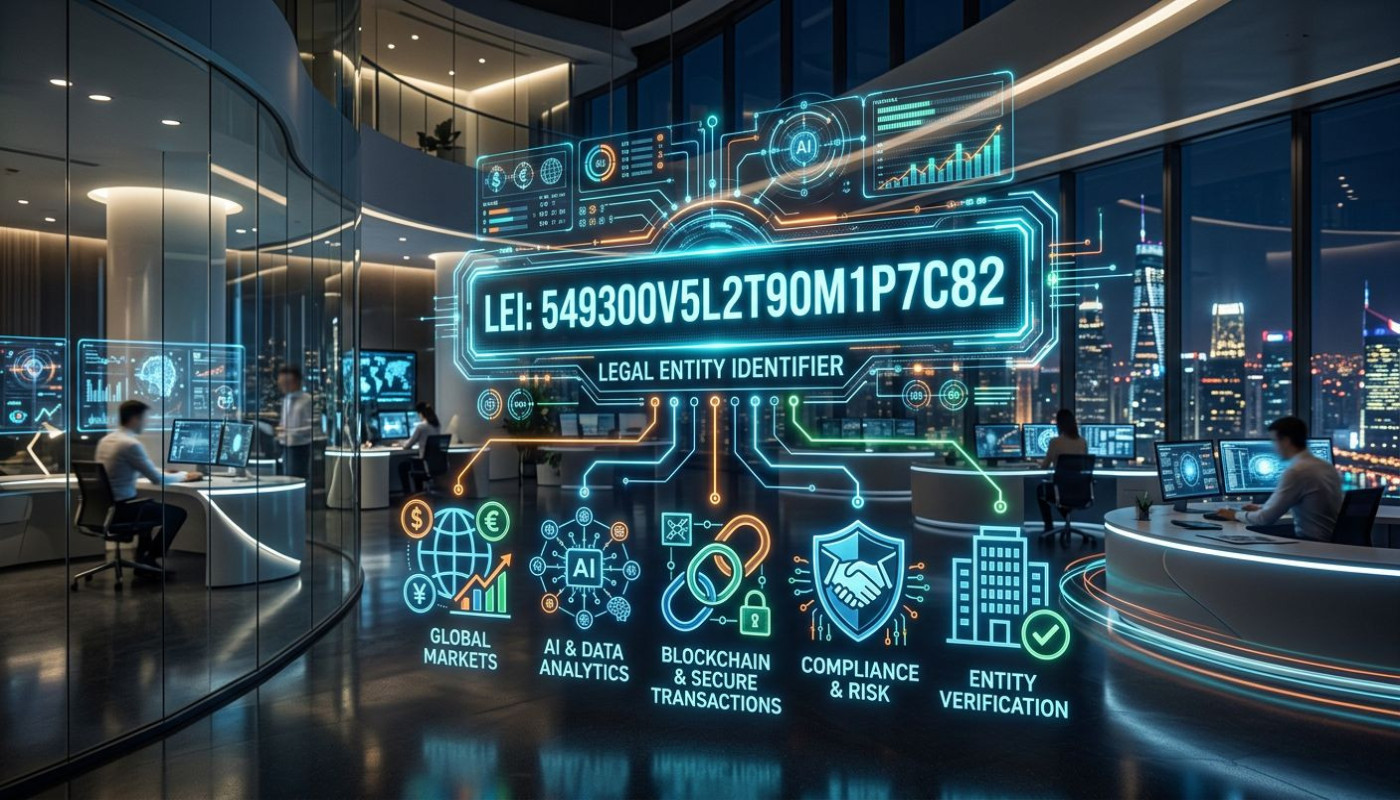
A Legal Entity Identifier (LEI) is a unique identifier assigned to distinct legal entities participating in financial transactions worldwide. Designed as a standardized 20-character alphanumeric code, the LEI provides unique business identification by linking crucial reference details about an organization, such as its ownership structure and registered address, to a globally recognized database. The LEI code meaning goes beyond simply assigning a number; it enables efficient entity verification, helping to prevent fraud, reduce financial crime, and ensure compliance with cross-border regulatory obligations. In the business ecosystem, this system answers the question, what is LEI, by offering an accessible and uniform method for distinguishing between entities, regardless of jurisdiction or language.
The implementation of LEIs enhances international business transparency by making company data more accessible and reliable for regulatory authorities, banks, investors, and other market participants. The code’s 20-character structure—composed of a prefix identifying the issuing organization, followed by a unique identifier for the entity, and check digits for error detection—ensures each entity can be distinctly recognized on a global scale. Entity verification through LEIs streamlines onboarding, due diligence, and risk assessment processes across industries. The result is a more open marketplace where business relationships are established on trust and accurate, verifiable information, supporting regulatory compliance and fostering greater accountability in the modern financial landscape.
Enhancing cross-border transparency
Legal Entity Identifiers (LEIs) have transformed the landscape of global business transactions by introducing a standardized system for identifying entities involved in cross-border activities. Before the introduction of LEIs, organizations struggled with fragmented and inconsistent business records, making it challenging to establish trust and verify counterparties across different countries. This lack of cross-jurisdictional visibility heightened risks in transparency in finance, particularly when dealing with unfamiliar legal frameworks or regulatory reporting requirements. LEIs bridge this gap by assigning a unique code to each entity, allowing seamless cross-border identification regardless of location or regulatory environment.
The adoption of LEIs supports the creation and maintenance of accurate legal entity data, which is essential for both businesses and regulators. By ensuring that every participant in a transaction can be uniquely identified, LEIs simplify due diligence processes and improve the traceability of entities involved in financial flows. This system assists regulatory authorities in monitoring potential risks and enhances compliance with regulatory reporting requirements. As cross-border identification becomes standard practice, entities can engage in global business transactions with increased confidence, knowing that transparency and accountability are fundamentally reinforced by the global LEI system.
Streamlining regulatory compliance
Legal Entity Identifiers (LEIs) serve as a cornerstone in regulatory compliance by providing a standardized method for identifying participants in financial transactions. With increasing demands from global financial regulations, institutions face heightened obligations to verify the identities of their counterparties. The LEI system operates as one of the most effective business transparency tools, allowing for clear and distinct identification, which is especially pertinent in the context of KYC (Know Your Customer) processes. By integrating LEI and KYC, organizations can streamline the verification process, rapidly access reliable information, and reduce the risk of duplicative or fraudulent records. This approach not only enhances business transparency but also supports efficient risk management solutions, as compliance teams can readily track and monitor counterparties across jurisdictions.
LEIs have become indispensable in the fight against financial crime, as regulatory authorities increasingly require their adoption to ensure traceability and accountability in cross-border transactions. The unique identifier allows regulatory bodies and institutions to connect disparate data sources, facilitating detection of suspicious activities and reducing the complexity of meeting financial regulations. By leveraging LEI and KYC frameworks, compliance officers gain better oversight, minimize manual errors, and ensure that their organizations remain aligned with evolving regulatory compliance standards. The integration of LEIs within risk management solutions ultimately drives operational efficiency, reduces compliance costs, and strengthens trust within the global financial ecosystem.
Facilitating data accuracy and integrity
Implementing a Legal Entity Identifier (LEI) system provides a sophisticated solution for enhancing business data accuracy and supporting entity data integrity within modern organizations. By assigning each legal entity a unique identifier, the LEI framework streamlines the process of managing legal entity master data, which is central to ensuring records remain consistent and up-to-date. This method of standardization enables organizations to carry out data reconciliation more efficiently, minimizing discrepancies that often arise from outdated or duplicated business information.
Organizations frequently grapple with legacy data management challenges, such as fragmented databases, inconsistent naming conventions, and incomplete corporate records. These issues can compromise data quality improvement initiatives and expose businesses to greater operational risks. LEI adoption helps overcome these hurdles by linking disparate records to a single, authoritative reference, which improves transparency and reduces opportunities for errors. The harmonization of legal entity master data across different platforms simplifies regulatory reporting and boosts overall confidence in the reliability of business information.
Maintaining precise business data is not only desirable but also vital for business risk mitigation, particularly in industries where compliance and due diligence are critical. By leveraging the globally recognized LEI system, organizations are better positioned to authenticate counterparties, detect fraudulent activities, and facilitate seamless transactions. For more information on how the LEI system enhances business transparency and supports robust data governance, explore LEI, which offers tailored services for businesses seeking lasting improvements in data integrity and operational resilience.
Building trust in business relationships
The implementation of Legal Entity Identifiers (LEIs) plays a significant role in building business trust among companies and regulatory authorities. By assigning a unique code to each participating organization, LEIs provide a standardized approach to counterparty identification, making it easier to verify the legitimacy of business partners and suppliers. This trusted business identity system enhances counterparty verification processes, reducing the risk of fraud and errors that could compromise commercial or regulatory partnerships. When organizations use LEI for partnerships, they demonstrate a commitment to transparency and security, reassuring stakeholders that their due diligence protocols meet international standards.
LEIs also serve as a foundation for corporate governance transparency by enabling a clear audit trail for transactions and relationships. Business entities can efficiently track the activities of their partners, helping to ensure accountability and regulatory compliance in cross-border operations. This visibility supports rigorous due diligence, creating an environment of openness where trust flourishes between parties. As regulatory bodies across the globe require LEIs for reporting and compliance, the adoption of this system is increasingly recognized as a best practice for fostering confidence in both private and public sector relationships.
Similar

Rising Above The Algorithm: Experts Expose Truths About How To Make Money Online

E-commerce Evolution: How To Make Money Online? Beyond Traditional Platforms

Remote Side Hustles: How To Make Money Online? Decoded By Digital Nomads

Exploring Sustainable Travel Through Eco-friendly Hotels In Paris

What To Expect When Choosing A Family-friendly Hotel In Paris?

How Boutique Hotels In Paris Enhance Your Vacation Experience

How Obtaining An LEI Boosts Your Business's Global Credibility?

What Every Investor Should Know About Building A Property Portfolio

Exploring The Impact Of Online Casinos On Chile's Economy
