Table of contents
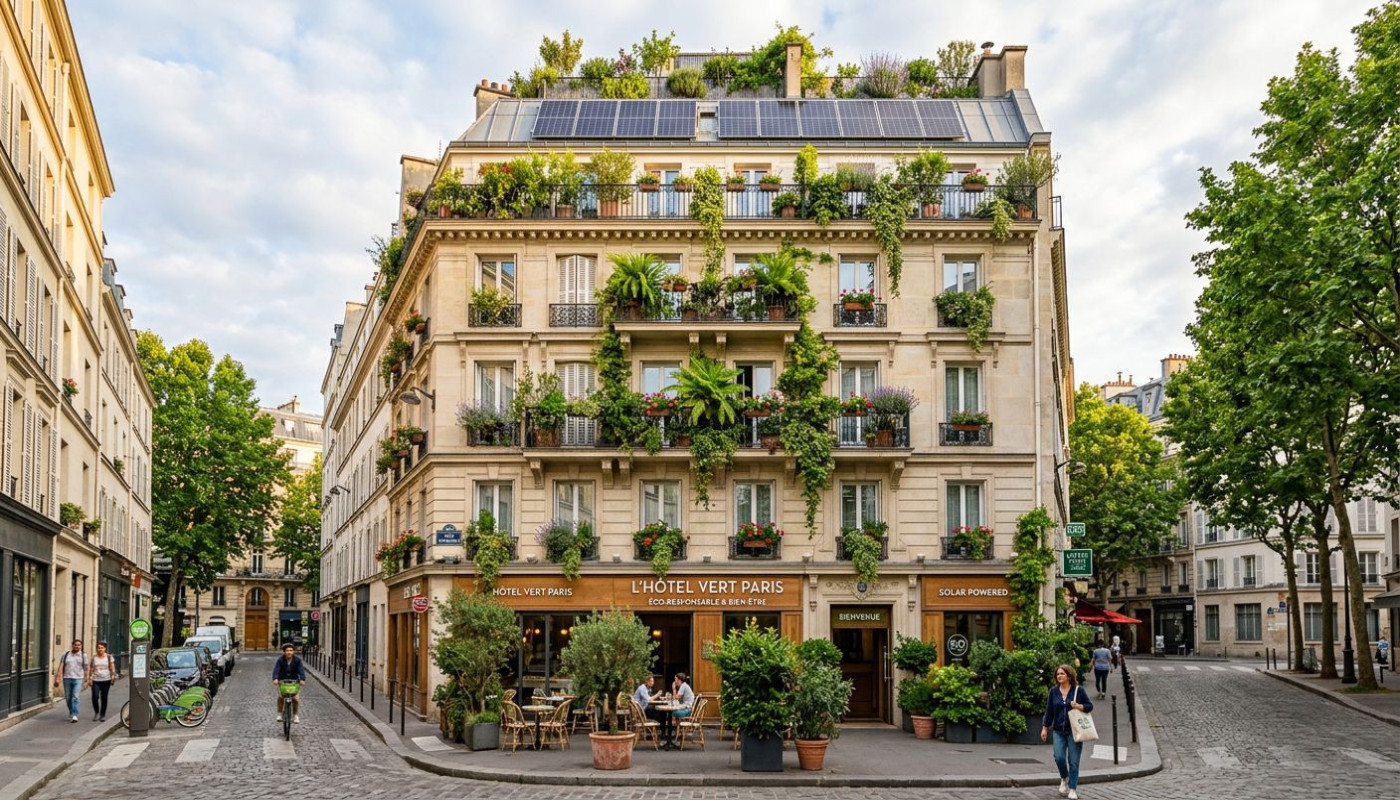
Step into a world where luxury meets responsibility, as Paris redefines travel through eco-conscious hospitality. Immerse yourself in the allure of the City of Light, while supporting sustainable practices that protect cultural heritage and the planet. Discover how eco-friendly hotels in Paris offer sophisticated comfort, remarkable design, and innovative green solutions, inviting you to experience the city in a truly meaningful way.
Discovering paris' eco-friendly hotel landscape
Paris has undergone a transformative journey toward sustainable hospitality, evolving into a standout destination for travelers who value environmental stewardship without sacrificing style or comfort. Many hotels across the city now feature innovative design elements such as living green roofs, which improve insulation and support urban biodiversity, as well as energy-saving LED lighting systems and smart thermostats that optimize electricity use while maintaining guest comfort. These advancements are complemented by the integration of water-saving fixtures, waste sorting stations, and responsible sourcing for everything from linens to breakfast ingredients, reflecting a comprehensive approach to sustainability that aligns with the city's aesthetic grace.
For those seeking a truly responsible stay, several clear indicators help distinguish which Parisian hotels are genuinely committed to sustainability. Certifications like the Green Key or European Ecolabel are hallmarks of rigorous environmental practices, often prominently displayed on hotel websites or at reception. Guests should also look for transparent sustainability policies that outline goals such as reducing single-use plastics, supporting local communities, or offsetting carbon emissions. Selecting such accommodations enables visitors to immerse themselves in Parisian charm while actively contributing to a cleaner urban environment, ensuring that the pleasure of discovery goes hand in hand with a lighter environmental footprint.
Innovative design blending style and sustainability
Eco-friendly hotels in Paris have redefined the intersection of luxury and environmental responsibility by embracing avant-garde architectural principles and interior design that shrink their ecological footprint. These establishments often feature upcycled furnishings, reclaimed wood accents, and textiles woven from organic fibers, all selected with a meticulous eye for both sustainability and sophistication. The deployment of low-VOC (volatile organic compound) paints ensures a healthier indoor atmosphere, while natural insulation methods—such as sheep’s wool or cork—reduce energy demands without sacrificing the cozy feel that travelers seek. In parallel, water-saving fixtures like dual-flush toilets and rainwater harvesting systems, alongside the integration of renewable energy sources such as solar panels or geothermal heating, collectively demonstrate a commitment to resource efficiency.
What truly distinguishes these Parisian eco-hotels is their ability to blend green technologies with a sense of place and cultural identity, crafting interiors that are as visually captivating as they are responsible. Lighting design often harnesses LED technology and motion sensors, lowering electricity consumption while creating warm, inviting spaces. Living plant walls or indoor gardens purify the air and introduce biophilic elements, establishing unique common areas that invite relaxation and foster a connection to nature. Through carefully curated design choices, guests find themselves immersed in environments that are not only gentle on the planet but also rich in Parisian character, offering an ambience that is both memorable and meaningful.
When selecting accommodations, those who value aesthetics and sustainability will be drawn to places that set a standard for excellence in both realms; the Urban Bivouac Hotel in Paris stands out for its prime location, contemporary amenities, and outstanding value, all while championing eco-conscious principles in every aspect of its design. Creative use of space, thoughtful material selection, and a focus on guest comfort prove that environmental mindfulness can harmoniously coexist with modern elegance. Travelers leave these hotels with more than just memories—they gain an appreciation for how innovation can transform hospitality, encouraging mindful choices long after their Parisian journey concludes.
Responsible gastronomy at the heart of hospitality
Sustainable hotels in Paris have transformed dining experiences by weaving organic, seasonal, and locally sourced ingredients into their culinary philosophy. Many of these establishments partner with urban farms and regional producers, ensuring that fresh fruits, vegetables, and even artisanal cheeses arrive directly from nearby fields rather than distant suppliers. This approach not only guarantees peak flavor and nutrition but also minimizes transportation-related emissions, helping to reduce the overall carbon footprint of each meal served. Collaborations with rooftop gardens and community-supported agriculture programs further cement the connection between hotel kitchens and the vibrant local food ecosystem, offering guests an authentic taste of Paris while nurturing regional agriculture.
Beyond ingredient sourcing, these hotels implement technical strategies to reinforce their commitment to sustainability. Composting systems turn kitchen scraps into nutrient-rich soil, often used to nourish onsite gardens or donated to community plots, closing the loop on food waste. Menus frequently highlight plant-based options, reflecting a shift towards reducing reliance on animal products and embracing eco-friendly dining styles. Culinary teams may also design dishes around what is seasonally abundant, encouraging creativity while avoiding overexploitation of resources. By integrating these practices, Parisian hotels invite visitors to enjoy classic French gastronomy with an ecological conscience, supporting both local communities and a healthier planet.
Waste reduction and smart resource management
Eco-friendly hotels in Paris are redefining hospitality by integrating advanced resource management practices into daily operations. Water reclamation systems, such as greywater recycling for toilets and irrigation, help limit fresh water usage while maintaining comfort and hygiene standards. Many properties now offer amenities like soaps and shampoos in refillable dispensers, effectively slashing the volume of single-use plastics that typically end up in landfills. Modern waste sorting stations in guest areas encourage easy recycling, allowing travelers to participate actively in sustainability efforts. By introducing composting programs for kitchen and garden waste, these hotels further reduce their overall trash output, transforming what was once considered waste into valuable resources for landscaping or local farms.
Embracing technology also plays a pivotal role in efficient resource management. Digital check-in and keyless room access minimize the need for paper, plastic cards, and unnecessary contact, streamlining processes for both guests and staff. Energy consumption is carefully monitored and reduced through smart thermostats and occupancy sensors, which adjust lighting and climate control only when rooms are occupied. These innovations not only decrease operational overhead but also enhance the guest experience by making stays smoother and more personalized. As travelers become more conscious of their environmental footprint, such practices position eco-friendly hotels in Paris as leaders in responsible travel, setting expectations for comfort and sustainability to coexist seamlessly.
Connecting guests with green experiences in paris
Eco-friendly hotels in Paris extend their commitment to sustainability far beyond linen reuse or energy-efficient lighting. Many establishments now integrate curated green experiences directly into their offerings, giving environmentally conscious travelers unique opportunities to engage with the city responsibly. For instance, guests are often invited to participate in carbon offset programs that counterbalance the emissions generated from their stay, providing a tangible way to reduce their environmental footprint. These programs may include funding urban tree planting projects or supporting renewable energy ventures both within and beyond city limits.
A growing number of sustainable hotels are partnering with local bike-sharing stations, granting guests convenient access to bicycles as an eco-friendly alternative to taxis or rideshares. With dedicated bike lanes threading through Paris, cycling becomes both a practical and immersive mode of exploration. Travelers can pedal through charming arrondissements, stop for organic coffee in Montmartre, or glide along the Seine, all while minimizing their carbon emissions. Such collaborations often come with perks like complimentary passes or detailed cycling maps, making the green choice the most enjoyable and accessible one.
Guided eco-tours arranged by environmentally responsible hotels further enhance the visitor experience, offering insightful journeys through Paris’s lesser-known green spaces and ecological landmarks. These excursions typically spotlight local biodiversity in hidden gardens, showcase sustainable urban design in modern districts, or even introduce guests to waste-reducing food markets. Expert guides share stories about conservation efforts and traditional practices, fostering a deeper understanding of how Paris balances heritage with sustainability. The tours not only enrich knowledge but also inspire continued eco-friendly habits long after the stay concludes.
With these initiatives, eco-friendly hotels in Paris act as gateways to a different dimension of travel—one that nurtures a meaningful connection between guests and the city’s vibrant culture and environment. By facilitating experiences that are both educational and environmentally responsible, these hotels empower travelers to immerse themselves in the Parisian lifestyle while upholding strong ecological values. The result is a more thoughtful, memorable journey, where every action contributes positively to the preservation of the city for future generations.
Similar

Rising Above The Algorithm: Experts Expose Truths About How To Make Money Online

E-commerce Evolution: How To Make Money Online? Beyond Traditional Platforms

Remote Side Hustles: How To Make Money Online? Decoded By Digital Nomads

How Does Legal Entity Identifier Boost Business Transparency?

What To Expect When Choosing A Family-friendly Hotel In Paris?
How Boutique Hotels In Paris Enhance Your Vacation Experience
How Obtaining An LEI Boosts Your Business's Global Credibility?

What Every Investor Should Know About Building A Property Portfolio

Exploring The Impact Of Online Casinos On Chile's Economy
