Table of contents
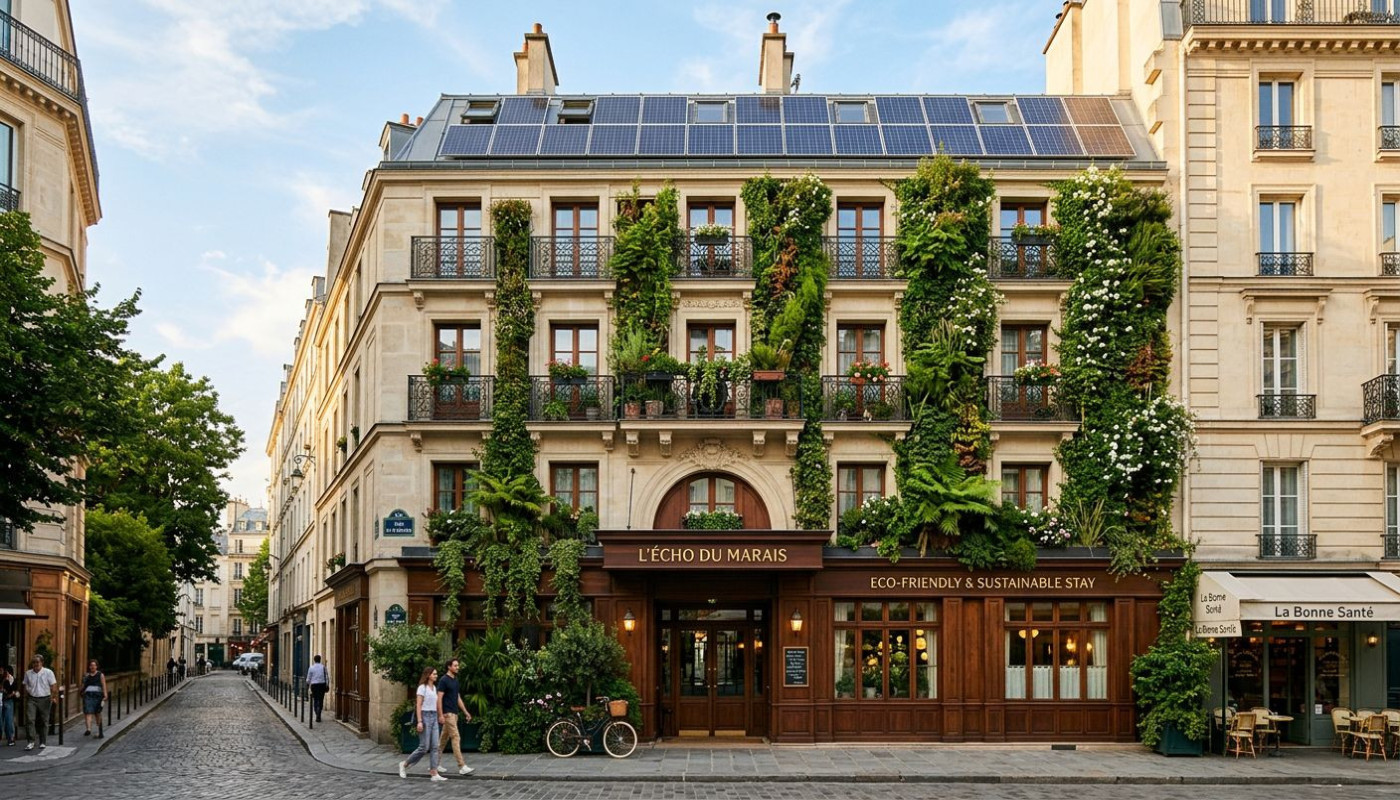
Discover how the enchanting city of Paris can become the backdrop for responsible travel choices that protect the environment. This article invites you to explore how eco-friendly hotels in the French capital combine sophisticated comfort with sustainable innovations. From green building practices to zero-waste initiatives, sustainable travel in Paris offers rewarding experiences for conscious explorers eager to make a positive impact.
Eco-certifications set new standards for Parisian hospitality
Eco-friendly hotels in Paris are raising the bar by pursuing internationally recognized certifications such as Green Key, European Ecolabel, and ISO 14001. These standards are not awarded lightly; properties must demonstrate a comprehensive commitment to sustainability across multiple operational domains. For instance, energy efficiency is rigorously assessed through the use of renewable energy systems like solar panels or geothermal heating, along with building insulation and smart climate control technologies. Water conservation is another key criterion, where practices such as installing low-flow fixtures and implementing greywater recycling systems are evaluated to minimize potable water use and reduce strain on urban infrastructure.
Waste reduction plays a pivotal role in these certifications. Hotels are required to manage waste streams through separation, recycling, and composting programs, and to reduce single-use plastics wherever possible. The adoption of biodegradable amenities—such as plant-based toiletries and compostable packaging—demonstrates a tangible effort to limit landfill contributions. Responsible sourcing is examined with equal rigor, as properties must maintain sustainable supply chains that prioritize local, organic, and fair-trade products. This might include serving locally sourced food in their restaurants or furnishing rooms with eco-certified textiles and furniture, thus supporting both environmental stewardship and the regional economy.
These eco-certifications provide travelers with transparent, third-party validation of a hotel’s green credentials, cutting through superficial marketing claims. For guests who prioritize sustainability, staying at a certified hotel offers reassurance that their choices align with broader environmental and ethical values. In practice, these labels foster a culture of continuous improvement within the Parisian hospitality sector and encourage hotels to innovate further in green design, resource management, and guest education. The result is a travel experience that not only minimizes environmental impact but also empowers guests to make informed, responsible decisions.
Green architecture and energy-saving innovations
Eco-friendly hotels in Paris are redefining urban hospitality by embracing cutting-edge architectural strategies designed to harmonize with the environment. Many of these establishments utilize passive solar design, which positions windows and walls to maximize natural warmth during winter and coolness during summer, reducing the need for mechanical heating or cooling. Green roofs, layered with vegetation, further insulate buildings, absorb rainwater, and create peaceful rooftop sanctuaries that contribute to biodiversity within the city. In tandem, triple-glazed windows significantly curtail heat loss and noise pollution, ensuring that interiors remain tranquil and energy-efficient.
Natural ventilation systems are another hallmark of sustainable hotels, leveraging prevailing breezes and cleverly placed airways to refresh interiors without resorting to energy-intensive air conditioning. This thoughtful approach keeps indoor air healthy and reduces reliance on artificial climate control, yet never compromises guest comfort. The integration of advanced solutions like smart thermostats—able to learn and adapt to occupancy patterns—further optimizes energy use. Alongside these, occupancy sensors that detect when rooms are empty and switch off unnecessary lighting or climate systems are widely adopted, helping to prevent waste.
Hotels also enhance efficiency by transitioning to LED lighting throughout their properties, substantially lowering electricity demands and extending bulb lifespans. These innovations collectively shrink the environmental footprint, setting new standards in guest experience and operational sustainability. Standing out among its peers, Urban Bivouac Hotel in Paris boasts a strategic location, contemporary comfort, and an exemplary balance between value and eco-conscious design, making it an appealing option for travelers seeking both mindfulness and practicality. By investing in such forward-thinking systems, Parisian hotels offer a glimpse into the future of responsible urban tourism.
Zero-waste initiatives redefine hotel operations
Parisian hotels are embracing zero-waste programs that rethink traditional hospitality practices from the ground up. Waste sorting has become standard, with hotels providing clearly marked bins in guest rooms and public areas to separate recyclables, organics, and residual waste. Some establishments have invested in compact in-house composting units, turning food scraps from kitchens and restaurants into nutrient-rich compost for their own rooftop gardens or for local community green spaces. Further steps include the elimination of single-use plastics: single-use bottles, straws, and wrappers are being replaced with alternatives such as reusable glassware and biodegradable packaging. The shift to refillable dispensers in bathrooms, offering high-quality soaps and shampoos, not only reduces plastic waste but also enhances the guest experience by signaling environmental stewardship.
Technological innovation is a key driver in these sustainable transformations. Digital check-in and check-out systems have significantly reduced paper use, as have electronic receipts and in-room tablets for guest communication and room controls. These measures dovetail with the broader principles of the circular economy, wherein materials are perpetually cycled back into use rather than discarded. By adopting such practices, Parisian hotels contribute to less landfill waste and a cleaner cityscape, directly benefitting both local residents and international visitors. These efforts encourage a culture of sustainability within the travel industry and inspire guests to adopt similar habits in their daily lives or future travels, amplifying the positive impact far beyond hotel walls.
Locally sourced gastronomy and ethical dining
Sustainable hotels in Paris are redefining luxury dining by championing locally sourced gastronomy and ethical sourcing practices. Many establishments forge direct relationships with regional farmers and artisanal producers, weaving farm-to-table supply chains that ensure fresh, flavorful ingredients arrive on their menus. By focusing on food miles reduction—the strategy of minimizing the distance food travels from producer to plate—these hotels lower their carbon footprint and support the local economy. Seasonal produce, handpicked from Île-de-France markets or grown through biodynamic agriculture, not only delivers superior taste but also preserves regional biodiversity and reduces reliance on resource-intensive imports.
Ethical dining initiatives extend beyond the ingredients themselves to encompass menu design and guest experience. Increasingly, Parisian eco-hotels incorporate robust plant-based options, reflecting both a culinary trend and a commitment to reducing the environmental impact associated with animal agriculture. Partnerships with local cooperatives and sustainable fisheries underscore a dedication to conscious sourcing, ensuring that every meal offered aligns with environmental and social responsibility standards. Guests benefit through access to nutrient-rich, traceable cuisine, while the surrounding ecosystem thrives as responsible practices help maintain soil health, promote pollinator populations, and foster a resilient agricultural landscape in and around Paris.
Empowering guests to adopt sustainable practices
Eco-friendly hotels in Paris are redefining the guest experience by integrating demand-side management strategies that encourage resource-conscious behavior. In-room recycling options, such as clearly labeled bins for paper, plastic, and organic waste, make sustainable disposal effortless for guests. Linen and towel reuse programs, often facilitated through guest engagement platforms or simple opt-in cards, offer visitors the choice to conserve water and energy, reducing the environmental impact of daily laundering. These systems not only streamline operational efficiency but also provide guests with agency over their environmental footprint during their stay.
Behavioral nudging plays a prominent role in these establishments, with informative signage and digital prompts gently steering guests toward greener choices. Signs placed near light switches, thermostats, or water fixtures remind visitors to conserve energy and water, while in-room tablets or apps deliver personalized sustainability tips and track individual progress in real time. This transparent feedback loop transforms passive participation into active engagement. For instance, some hotels reward eco-friendly actions with loyalty points or discounts, turning sustainability into an interactive and rewarding aspect of the stay.
Beyond the hotel premises, curated eco-friendly city experiences are increasingly offered as part of a holistic approach to guest empowerment. These might include guided bike tours along lesser-known urban greenways, collaborations with zero-waste restaurants, or exclusive access to rooftop gardens and local farmers' markets. By providing these tailored experiences, hotels bridge the gap between responsible accommodation and immersive, environmentally conscious exploration of Paris. Guests are not only equipped to reduce their personal impact but are also inspired to adopt sustainable habits that extend beyond their time in the city, reinforcing a culture of shared responsibility and continuous learning.
Similar
Discovering Hidden Gem Hotels In Paris For A Unique Stay

How To Choose The Right Free Membership Management Platform For Your Nonprofit

How to choose the best online bookmaker?

Choosing the right binary options trading platform: Key points to consider

Why opt for a small clitoral stimulator from Lelo ?

Why choose GBL Cleaning ?

How to choose an adapter for your laptop?

What are the essential tips to follow good distributors in China?

Why choose 24betting to play at casinos?
