Table of contents
Weather alerts have become a daily reflex, pushed to phones in real time, shaping commutes, school runs, and, increasingly, what people wear before they step outside. As heat warnings multiply, rainfall turns more volatile, and sudden cold snaps remain stubbornly common, fashion choices are being made faster, and often with less room for error. Behind that shift sits an unexpected ecosystem of standards, labels, and verification habits, where the same appetite for trustworthy signals that guides people through storm warnings is quietly reshaping how they evaluate clothing claims, from “waterproof” to “UV protective”.
When alerts hit, wardrobes react fast
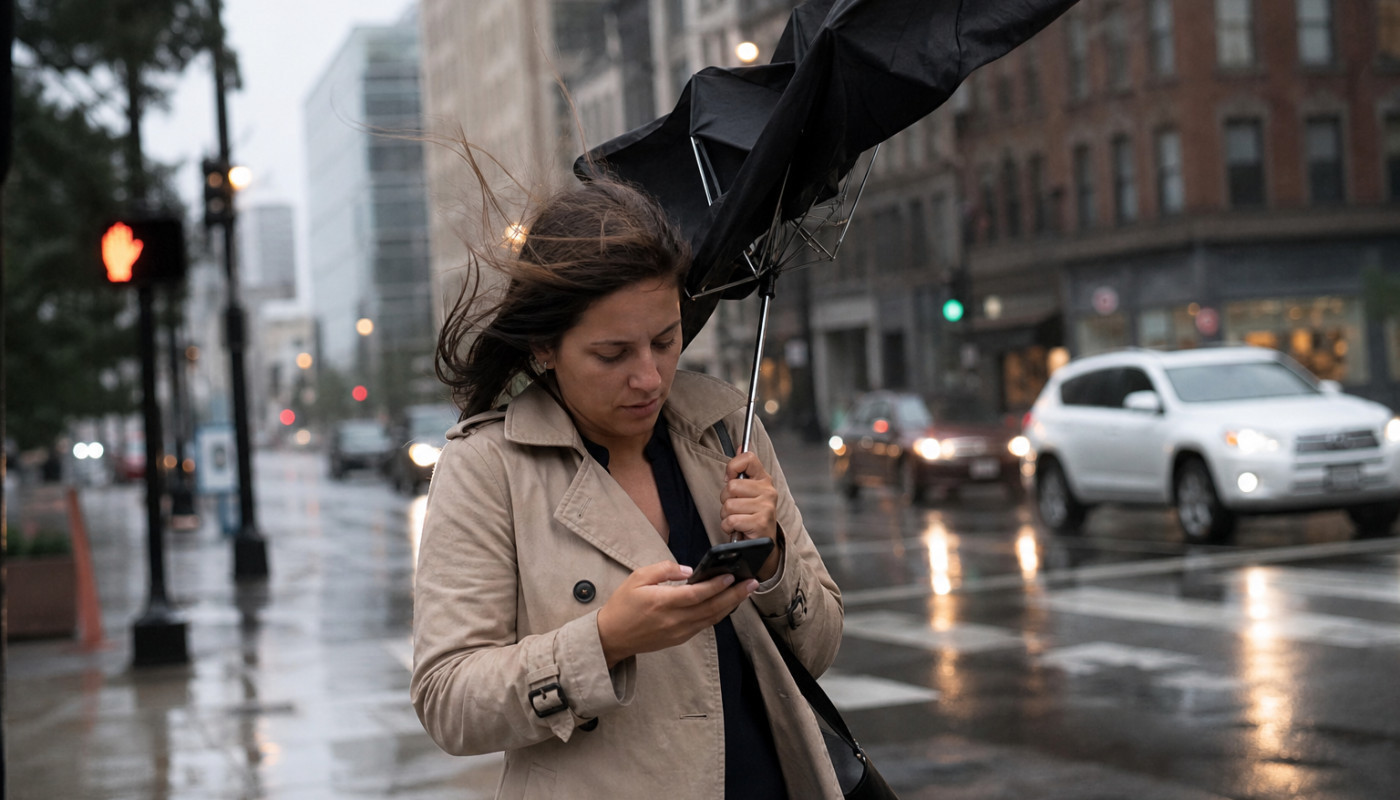
Check the forecast, pick an outfit, move on, except the forecast is no longer a gentle suggestion and the clothing decision is no longer routine. In Canada, Environment and Climate Change Canada issues public weather alerts for hazards such as severe thunderstorms, heavy rain, extreme heat, and blizzards, and those notices increasingly arrive as push notifications that compress decision-making into minutes. A rainfall warning is not abstract when it arrives as a “watch” or “warning” tied to your postal code, and the response is often immediate: different shoes, a packed shell, a rethink of layers, and a bag that can handle wet electronics.
Consumer behaviour data backs up this reflex. In the United States, the National Oceanic and Atmospheric Administration has documented a rising trend in billion-dollar weather and climate disasters over recent decades, and while that metric is economic, it correlates with a broader cultural shift toward treating weather as a risk to manage rather than a background condition. Retailers have seen the same reality from the other side of the cash register: demand spikes around abrupt temperature swings, and “transitional” pieces that can handle surprise rain or a midday warm-up have become central rather than niche.
Heat alerts are a particularly sharp driver of wardrobe change. Public-health agencies consistently warn that extreme heat increases the risk of heat illness, and guidance often includes clothing cues: breathable fabrics, light colours, loose fit, and sun protection. When those messages sit alongside fashion’s own cycles, they create a new kind of practical aesthetic, in which shoppers want garments that look current but function like equipment. The result is a closer reading of labels and product descriptions, because the cost of being wrong is higher when the day includes a heat warning, a UV index reminder, or a sudden rainfall advisory.
Even style itself is adapting to the language of alerts. “Windproof”, “storm-ready”, “all-weather”, and “technical” have become marketing staples, and they work because the audience has been trained by official warnings to think in categories of risk and response. A thunderstorm watch primes people to value packability and quick-dry textiles, and a freezing rain warning makes traction, insulation, and water resistance feel less like premium add-ons and more like basic needs.
Labels, claims, and the hunt for proof
“Water-resistant” or “waterproof”; “breathable” or “moisture-wicking”; “UV protection” or “sun-safe”, these phrases sound reassuring, but they are also where modern shoppers have learned to be cautious. Regulators have long tried to keep advertising honest, and in North America the Federal Trade Commission in the US and the Competition Bureau in Canada both police misleading marketing claims, including performance claims that cannot be substantiated. Add to that the broader debate around greenwashing, and the consumer instinct is clear: show me the evidence, or I will keep scrolling.
That scepticism has been sharpened by years of alert-driven living. When people receive a weather warning, they see a formal structure: a named authority, a defined threshold, a time window, and clear instructions. They unconsciously begin to expect the same architecture of credibility elsewhere, including in product descriptions. If an app can show radar and timestamps, why should a rain jacket rely on vague adjectives? If health authorities can quantify heat risk, why should a “breathable” shirt avoid any detail about fabric composition or weave?
In practice, this translates into shoppers looking for concrete signals. They want fabric percentages, seam-sealing notes, and care instructions that match the claim; they look for recognized standards where they exist, and they compare independent reviews, because consensus feels like validation. The trend also explains why “technical” fashion has moved from the hiking trail into everyday streets: it is sold with a language of performance that resembles the language of risk management, and it offers the comfort of specificity in a world where the weather can shift in hours.
There is also a social component. A sudden storm alert can turn a soaked commute into a shared story by lunchtime, and fashion has always been partly social signalling. Being prepared becomes a form of competence, and clothing becomes a visible sign of that competence. In that context, trust matters: people do not only want clothes that work, they want to feel confident that the promises on the tag will hold up when the alert turns into a downpour.
From storm warnings to digital compliance habits
Here is the surprising bridge: weather alerts teach people how to trust systems, and that lesson carries over into how they evaluate online information, from shopping pages to service platforms. Alerts are structured communication, backed by institutions and repeated patterns, and over time they train the public to look for markers of legitimacy: clear sources, consistent terminology, and accountability when something goes wrong. That is not far from the way many users now approach digital services more broadly, especially those that require payments, identity checks, or age verification.
This is where the wider culture of compliance becomes relevant, including in sectors that at first glance have nothing to do with raincoats or temperature swings. Canadians, for example, navigate a patchwork of rules that differ by province in areas like gaming, consumer protection, and advertising standards, and users have learned to ask a basic question before engaging: is this regulated, and how do I know? That mindset mirrors the logic of weather alerts, which effectively say, “Here is the authority, here is the threshold, and here is what you should do.”
For readers interested in how that compliance logic works in practice in a heavily scrutinized digital market, NetNewsLedger outlines how online casinos in Canada are expected to meet regulatory standards, including the kinds of safeguards and oversight structures that are designed to protect users. The point is not to conflate industries, but to notice the common thread: as daily life becomes more alert-driven and risk-aware, people increasingly prefer systems that explain themselves, show their rules, and can be held to them.
Fashion retail has been moving in the same direction. Return policies are more explicit, payment flows are more secured, and consumer expectations around transparency have risen, because the public has been conditioned to value clear warnings and defined thresholds. A “severe weather” push notification sets a tone: ambiguity is the enemy. The brands and platforms that thrive are the ones that communicate like institutions, with precise language and verifiable promises, rather than like mood boards.
What this means for shopping smart tomorrow
So how should readers translate today’s weather-alert culture into better fashion decisions, without falling for buzzwords? Start by treating clothing claims the way you treat an alert: look for specificity, timing, and context. If rain is expected for two hours, a lightweight shell with taped seams may matter more than a heavy coat; if the alert is about sustained heat, airflow, colour, and fabric composition should guide the choice more than the trend cycle. The practical wardrobe is not boring, it is simply aligned with real risk.
Budget matters, too, especially as inflation has pushed household costs higher and many consumers are shopping with sharper limits. The smartest approach is often incremental: invest in one truly reliable outer layer, then build around it with less expensive basics. A good umbrella, weather-appropriate footwear, and a breathable base layer can do more than a closet full of “almost suitable” items, and they reduce the chance of panic buying when the next warning lands on your lock screen.
There is also room to use public tools more effectively. Weather agencies provide not just icons but details: wind gusts, humidex, rainfall totals, and timing. That data can inform choices like whether a skirt needs bike shorts underneath, whether a fabric will cling in humidity, or whether an extra layer is worth carrying for a temperature drop after sunset. In other words, the forecast becomes a styling input, and a practical one.
Finally, keep an eye on how brands talk. The more a label leans on absolute promises, the more you should look for the fine print, because performance is measurable. If a company is serious about “all-weather”, it will usually be serious about explaining construction, care, and limitations, and it will sound less like poetry and more like engineering. In an era of alerts, that clarity is not a turn-off; it is a competitive advantage.
Plan ahead, spend better, stay flexible
Before buying, check your local alert patterns, then prioritize one core piece that matches them, and reserve budget for footwear and a reliable layer. Look for retailer warranties, clear return windows, and any provincial or employer benefits that may cover protective workwear. The forecast will change fast; your wardrobe should not have to.
Similar

Exploring Trends: How Top Games Influence Genre Popularity?

Exploring Sustainable Stays: Finding Eco-friendly Hotels In Paris

The Science Behind Medical Intuitives: What Does The Evidence Say?

Exploring Eco-friendly Initiatives At Hotels In Paris

The role of nanotechnology in advancing medical diagnostics

Exploring The Roles Of Vibrational Frequencies In Spiritual Practices

Technological Advancements In Tractor Refurbishment: Extending The Life Of Used Farm Machinery

How to recognize the use of ChatGPT?

Chatbot GPT: 3 basics reasons why you should make use of this tool
